
- Can You Get Pregnant When You’re Not Ovulating? Fertile Window, Ovulation Timing, and Common Myths

- 9 DPO Pregnancy Test: Can You Get a Positive Result 9 Days After Ovulation?

- Pictures of Spotting During Pregnancy: What’s Normal and When to Call Your Doctor

- Pregnancy Trimesters: What Happens in Each Stage, Fetal Development, Weeks, and Common Symptoms

- What Causes the Smell of a Newborn Baby? The Science Behind Their Unique Scent and How Long It Lasts

- Pregnancy Test Guide: When to Test, How Accurate Results Are, and What a Negative Result Means

- Posterior Placenta: Meaning, Benefits, Baby Position, and Possible Pregnancy Complications
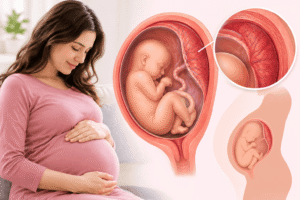
- What Are The Chances of Getting Pregnant From Precum

- Implantation Bleeding: Signs, Timing, and How to Tell It Apart From Your Period

- Newborn Baby with Freckles: Causes, Skin Pigmentation, and Whether They Are Normal

- How to Take Care of a Baby: Newborn Care, Feeding Schedule, Growth, and Common Health Concerns

- How to Hold a Newborn Baby Safely: Proper Positions, Head and Neck Support, and Safety Tips

- How to Care for a Premature Baby: Feeding, Growth, Development, and Health at Home

- What Is Love in a Relationship? A Real, Honest Definition

- How Long Is a Pregnancy? Weeks, Months, and When a Pregnancy Is Full Term

Pregnancy Matter: Clear Answers for Every Stage of Pregnancy
Pregnancy brings a lot of questions, and most of them show up at odd hours. Is that cramp normal? Did I test too early? Why is my body doing this?
Pregnancy Matter exists to give you straight answers. No scare tactics, no vague advice. We write about pregnancy, relationships, and fatherhood in plain language, so you can understand what’s going on and know when it’s time to call a doctor.
Early Signs of Pregnancy: What to Look For
Every body reacts differently, but some early signs of pregnancy show up again and again. A missed period is the most common one. Others include tender or swollen breasts, tiredness that feels heavier than usual, nausea (it doesn’t only happen in the morning), frequent trips to the bathroom, and strange food cravings or sudden dislikes.
Some women also notice light spotting about 6 to 12 days after ovulation. This is often called implantation bleeding. It’s usually lighter and shorter than a normal period.
None of these signs prove anything on their own. They’re clues, not answers. A test is the only way to know for sure.
Pregnancy Symptoms Week by Week
Symptoms change as your baby grows. In the first weeks, fatigue and nausea tend to lead. By the second trimester, many women feel better and get their energy back. In the third trimester, back pain, swollen ankles, and trouble sleeping often take over.
We break these changes down so you can see what’s common, what’s worth mentioning to your doctor, and what needs attention right away. Browse our pregnancy week by week guides.
Pregnancy Discharge: What’s Normal and What’s Not
A lot of women get worried about this, and they shouldn’t feel embarrassed to ask. Pregnancy discharge is usually thin, milky white, and has little to no smell. Doctors call it leukorrhea, and it’s caused by higher estrogen levels and more blood flow to the area.
Talk to your doctor if the discharge turns green, yellow, or gray, smells bad, causes itching or burning, or comes with pain. A sudden gush or steady leak of watery fluid also needs a quick call, since it could be amniotic fluid.
When to Take a Pregnancy Test
The best time to test is the first day of your missed period, or a week after you think you conceived. Pregnancy tests pick up a hormone called hCG, and it takes a few days to build up in your body. Test too early and you may get a negative result even if you’re pregnant.
Some tips that help: use your first morning urine, since it’s more concentrated, follow the instructions exactly, and read the result in the time window shown on the box. If you get a negative but your period still doesn’t come, test again in two or three days. Read more in when to take a pregnancy test.
Pregnancy Test Positive: What Happens Next
A positive result is exciting for some people and overwhelming for others. Both reactions are normal. Even a faint second line usually means hCG is present, so don’t ignore it. False positives are rare.
Your next steps are simple. Book an appointment with a doctor or midwife, start taking folic acid if you haven’t already, and avoid alcohol, smoking, and any medicine you haven’t checked with a professional. Our guides walk you through the first few weeks, including what to expect at your first visit. See what to do after a positive test.
Choosing the Best Pregnancy Test
There isn’t one perfect brand for everyone. When we review tests, we look at how early they can detect hCG, how clear the results are, how easy they are to read, and the price. Digital tests spell out “pregnant” or “not pregnant,” which helps if you struggle with faint lines. Standard strip and midstream tests cost less and work just as well when used correctly. Always check the expiry date before you use one. Here is our guide to the best pregnancy test.
Hidden Pregnancy Signs
Some women have very few symptoms, or none at all. This is sometimes called a cryptic pregnancy. It’s rare, but it happens, especially with irregular periods, light bleeding that looks like a period, or a small bump that doesn’t show much. If something feels off, trust that feeling and take a test or see a doctor. Learn more about hidden pregnancy signs.
Pregnancy Trimesters Explained
A pregnancy lasts about 40 weeks and is split into three parts.
First trimester (weeks 1 to 13): Your baby’s organs begin to form. Nausea, tiredness, and mood swings are common.
Second trimester (weeks 14 to 27): Energy often returns. You may feel your baby move for the first time.
Third trimester (weeks 28 to birth): Your baby gains weight quickly and gets ready for birth. You’ll likely feel heavier and more tired.
Read the full guide to pregnancy trimesters.
Full Term Pregnancy: How Long Is It?
Doctors define a full term pregnancy as 39 weeks to 40 weeks and 6 days. Babies born between 37 and 38 weeks and 6 days are called early term. Babies born at 41 weeks are late term, and after 42 weeks it’s called post term. Only about 5 percent of babies arrive on their exact due date, so a few days either way is completely normal. More here: how long is a full term pregnancy.
Use Our Pregnancy Calculator
Want to know your due date? Our pregnancy calculator estimates it from the first day of your last period. It also shows which week you’re in and when each trimester begins. Keep in mind it’s an estimate, and your doctor may adjust the date after an ultrasound.
More Than Pregnancy: Relationships and Fatherhood
A baby changes everything, including how couples talk, share chores, and spend time together. That’s why Pregnancy Matter also covers relationships and paternity. We write for partners and fathers too, because they have questions and worries of their own.
Why You Can Trust Pregnancy Matter
Health advice is only useful if it’s accurate. Every article here is researched using trusted sources such as the CDC, the American College of Obstetricians and Gynecologists, and the World Health Organization. Our articles are written and edited by the Pregnancy Matter team. Meet us on our About page and see how we work in our Editorial Policy. We update posts when guidelines change, and we always show the date.
Medical note: Pregnancy Matter is for education only and doesn’t replace advice from your doctor or midwife. If you have heavy bleeding, severe pain, fever, or you’re worried about your baby’s movement, contact a healthcare provider or emergency services right away. See our Medical Disclaimer.
FAQ’S
How soon can I know if I’m pregnant?
Some tests work a few days before a missed period, but results are most reliable from the first day of a missed period.
Is a faint line on a pregnancy test positive?
Usually yes. Repeat the test in two days to confirm, and see your doctor.
Is white discharge normal in pregnancy?
Yes, thin milky white discharge with little smell is common.
How long is a full term pregnancy?
It runs from 39 weeks to 40 weeks and 6 days.